What Is the Best Way to Stop a Freestanding Shelf Wobbling?

Time:2026-09-20 Author:Charlotte
0%

A freestanding shelf should not sway when you touch its front edge. Yet many homeowners mistake a loose floor, uneven feet, or overloaded shelves for a minor inconvenience. That mistake can become dangerous, especially around children, pets, or frequently used storage areas.

The U.S. Consumer Product Safety Commission reported an estimated 71,300 emergency-department injuries from furniture tip-overs between 2018 and 2020. Children accounted for a substantial share of these incidents. The report also recorded dozens of deaths during the same period. These figures show why How to stop a freestanding shelf from wobbling is a safety question, not merely a decorating concern.

CPSC Chair Alex Hoehn-Saric has stated, “Furniture tip-over injuries and deaths are preventable.” His warning supports a practical approach: inspect the floor, identify the shelf’s movement, level the base, reduce uneven loading, and anchor the unit when appropriate. A small spirit level, rubber furniture pad, and properly selected wall strap can reveal more than guesswork.

Still, no single fix works everywhere. A shelf standing on thick carpet may need different treatment from one placed on tile. A damaged joint cannot be corrected by adding a pad beneath one corner. That is where many quick repairs fail.

This guide examines stable, evidence-informed methods used by furniture installers and safety professionals. It also considers overlooked details, such as loose back panels, bowed boards, and weight concentrated on one side. The goal is simple: a shelf that remains steady during normal use, not merely one that looks straight for five minutes.
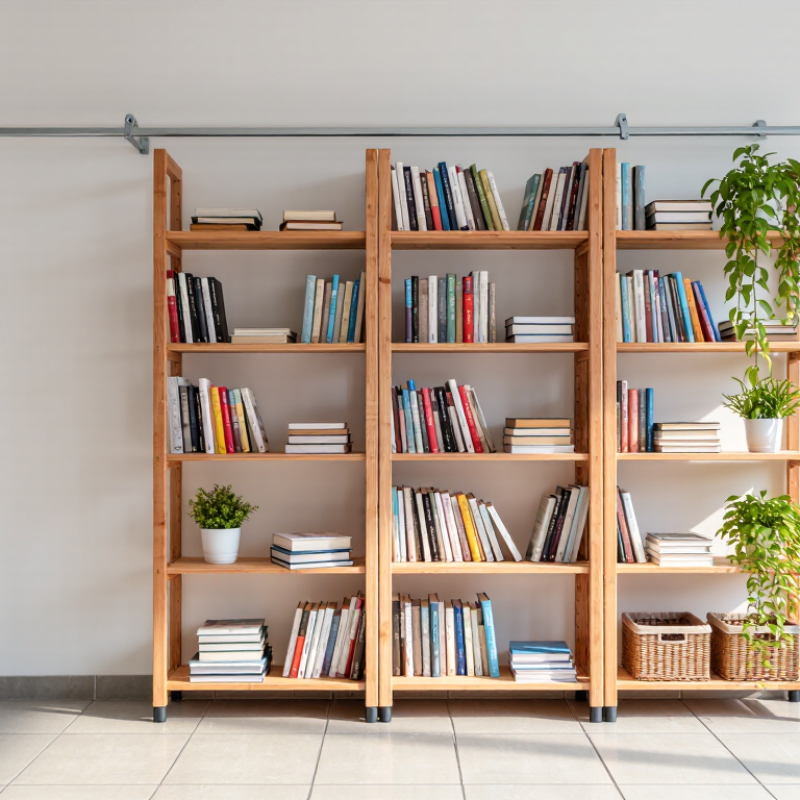
What Is the Best Way to Stop a Freestanding Shelf Wobbling?

Diagnose Wobble by Checking Floor Contact, Lean, and Joint Play

What Is the Best Way to Stop a Freestanding Shelf Wobbling?

A wobbling shelf often has a simple cause: one foot is not fully touching the floor. Empty the shelves, then press each corner gently. Watch for a gap under a leg or a rocking motion. A thin card can reveal uneven contact. Place it beneath the short leg, then test the shelf again. Use a firm shim, not folded paper, because paper compresses and changes the result over time. I have found that checking on both sides prevents a false fix.

Next, inspect the shelf’s lean with a level or a straight board. A unit may stand firmly yet lean away from the wall. Measure the gap at the top and bottom. If the top gap is larger, the shelf may be tilting forward. Tighten or reposition the adjustable feet where available. Do not force the frame upright while loaded. That can stress the joints and make the wobble worse.

Joint play is another common source. Hold one upright and gently move it sideways. Loose screws, worn dowels, or enlarged holes can let the frame twist. Tighten fasteners gradually and evenly. If a joint remains loose, a properly sized replacement fastener may help. Avoid adding random glue without checking the construction. I once tightened a single corner too much, and the opposite joint opened slightly. That mistake showed me the frame must be corrected as a whole, not corner by corner. Recheck the shelf after adding weight, because a stable empty unit can still shift under a real load.

Level the Base and Correct Gaps with Load-Bearing Shims

A freestanding shelf often wobbles because its base meets the floor unevenly. Start by removing the shelf’s contents and checking each corner. Press gently against the frame to identify where movement begins. A narrow gap under one foot can make the entire unit sway, especially on older wooden or tiled floors.

Use firm, load-bearing shims beneath the raised corner, not soft cardboard that compresses over time. Slide the shim in slowly until the shelf sits level and stops rocking. Trim any visible excess with a sharp hand tool, then check the shelf with a spirit level from front to back and side to side. Avoid forcing the frame into position. That can twist the joints. I once corrected a wobble too quickly and created a larger gap on the opposite side.

Tips: Place two thin shims together when one piece is too thick. Keep their edges aligned with the shelf’s base. Test the unit again after adding books or other weight. Uneven loading can bring the wobble back. If the gap is wide, use a solid wood or composite shim with enough surface area to support the weight. Do not rely on a loose object beneath the shelf. It may shift during ordinary use. If the frame remains unstable after leveling, inspect the joints, fasteners, and floor condition. The problem may not be the base alone.

Retighten Fasteners to the Manufacturer’s Specified Torque

What Is the Best Way to Stop a Freestanding Shelf Wobbling?

Retighten every fastener to the manufacturer’s specified torque. A loose bolt may seem harmless, but small movement can widen holes and weaken the frame. Remove the shelf contents and place the unit on a firm, level floor. Check whether the wobble comes from loose joints, uneven feet, or a bent component.

I once tightened a shelf by feel and made the problem worse. The frame looked secure, yet one side leaned slightly after loading. A calibrated torque wrench gives better control. Find the required value in the assembly instructions, usually listed in newton-metres or inch-pounds. Do not guess or convert units casually. Tighten each fastener gradually and follow the recommended sequence. Keep the wrench aligned with the bolt head.

Avoid overtightening. Excess force can crush wood panels, strip threads, or distort metal brackets. Inspect washers, nuts, and threads while working. Replace damaged hardware with parts that match the specified size and strength. After tightening, push the shelf gently from several directions. Load it evenly, then check the joints again after a day or two. That follow-up matters. Temperature changes, settling floors, and repeated movement can reveal looseness that was not obvious during the first inspection. If the shelf still wobbles, stop adding force and investigate the floor, frame, and damaged parts.

Add Back Bracing to Limit Racking and Lateral Movement

A freestanding shelf usually wobbles because its frame racks from side to side. Back bracing limits this lateral movement by creating a rigid triangle behind the unit. A diagonal steel strap, plywood panel, or two crossing braces can work well. Attach the brace to solid uprights, not thin decorative backing.

Measure twice. Drill once. For a tall shelf, place one brace from the upper left corner to the lower right corner. Add a second brace if the frame remains flexible. Use structural screws with washers, and keep the brace tight without crushing the wood. A full plywood back can provide stronger resistance, but it adds weight and may trap moisture against a wall.

The U.S. Consumer Product Safety Commission estimated 71,300 emergency-department-treated furniture tip-over injuries among children under 18 from 2018 through 2022. That figure includes many furniture types, not only shelving, but it shows why movement deserves attention. ANSI/BIFMA X5.9 stability testing also evaluates storage-unit resistance to tipping and applied forces. Back bracing is not a substitute for anchoring. Secure the shelf to a wall stud or suitable masonry fixing, especially when it is tall or heavily loaded. In repair work, I have seen owners brace only the top rail. It feels firm at first. Then uneven books expose the weakness. The better approach is checking every joint, tightening loose fasteners, and testing the shelf gently from both sides. Even careful work can miss a warped floor. Recheck it after loading.

What Is the Best Way to Stop a Freestanding Shelf Wobbling? – Add Back Bracing to Limit Racking and Lateral Movement

Bracing Method How It Limits Movement Typical Material Installation Difficulty Best Use Important Consideration
Full plywood or solid-panel back Creates a rigid diaphragm that helps keep the side frames square and resists racking. Plywood or wood panel, commonly about 6–12 mm thick for light shelving. Low to moderate Most effective all-purpose solution when the back will not remain open. Fasten the panel securely to multiple shelves or vertical supports; a loose panel will not provide reliable stiffness.
Diagonal back brace Triangulates the frame so the shelf cannot easily deform into a parallelogram. Wood strip, steel flat bar, or tension cable. Low Open-back shelves where visibility and airflow need to be preserved. A rigid diagonal works in compression and tension; a cable must be tensioned correctly and may need a second diagonal.
X-brace Provides diagonal restraint in both directions and reduces side-to-side racking. Steel straps, wood strips, or paired cables. Moderate Tall or narrow shelving units exposed to movement from several directions. The crossing point should not be treated as the only support; each diagonal needs secure end connections.
Back stretcher rails Connects the uprights and helps maintain the spacing between them, reducing frame distortion. Solid wood or metal rectangular tubing. Low Short or medium-height units that need a cleaner, unobstructed back. Rails alone may not stop substantial racking in a tall, narrow unit; pair them with diagonal bracing when needed.
Back corner blocks or gussets Strengthens the shelf-to-side connections and helps prevent joints from loosening under lateral loads. Plywood triangles, solid wood blocks, or steel angle brackets. Low Shelves that wobble because of flexible or weakened joints. They reinforce joints but do not replace a complete anti-racking brace on a tall freestanding unit.
Wall anchoring Restrains tipping and some lateral movement by connecting the unit to a structurally suitable wall surface. Anti-tip strap, angle bracket, or rigid wall connection. Moderate Tall, top-heavy, or frequently accessed shelving. Anchoring improves stability but should be used together with proper bracing; identify studs or use a suitable structural fixing method.
Leveling and joint tightening Removes rocking caused by uneven flooring, loose fasteners, or misaligned components. Shims, adjustable feet, screws, bolts, or replacement fasteners. Low A shelf that rocks at the base or has visibly loose connections. This corrects the source of the wobble but may not provide enough resistance to racking without back bracing.
Recommended approach: First level the unit and tighten all joints. For the strongest general improvement, add a securely fastened back panel. If an open back is required, use a diagonal or X-brace, and anchor tall or top-heavy shelving to a suitable wall structure.

Anchor Tall Shelving in Line with ASTM F2057 Safety Principles

A freestanding shelf wobbles because its base, floor contact, or load distribution is unstable. Tall shelving also creates a tip-over hazard when weight sits above the center of gravity. The U.S. Consumer Product Safety Commission reported an estimated annual average of 15,300 furniture tip-over injuries involving children under six from 2019 to 2021. That figure makes anchoring more than a comfort upgrade.

ASTM F2057 offers useful safety principles for tall storage furniture. Check whether your shelf falls within the standard’s scope before applying its guidance. Use a rigid anti-tip device connected to a wall stud or suitable masonry anchor. Do not rely on drywall alone. Keep the shelf nearly level, then tighten every fastener without crushing the material. Place heavier books on lower shelves. Avoid overloading the top tier. Leave no tempting climbing gap beside furniture.

Test it carefully. Apply gentle forward pressure near the upper frame, not a sudden pull. Watch for base movement, loose brackets, or wall flexing. CPSC safety guidance also recommends securing furniture and keeping televisions away from unstable surfaces. A practical installation should survive ordinary contact, cleaning, and drawer or door movement.

One detail is easy to miss. Uneven flooring can make a correctly anchored shelf appear defective. A thin, solid shim may help, but it must not reduce anchor contact. I would recheck the fasteners after several days. Real homes settle, and my first installation is not always perfect.

FAQS

Why does a freestanding shelf wobble?

Uneven flooring, loose joints, or unbalanced books can make the base move. Check every corner carefully.

How can I level a shelf with a raised corner?

Remove all contents, then slide a firm load-bearing shim beneath the raised corner. Trim visible excess afterward.

Can cardboard support a wobbling shelf?

Cardboard compresses over time and may shift. Use a solid wood or composite shim instead.

How do I check whether the shelf is level?

Use a spirit level from front to back and side to side. Recheck after replacing the books.

What can reduce side-to-side movement?

Add a diagonal brace, two crossing braces, or a rigid back panel. Attach them to solid uprights.

Where should I attach a back brace?

Connect it near opposite corners of the frame. Avoid thin decorative backing, which may not hold firmly.

Should a tall shelf be anchored to the wall?

Yes. Use a rigid anti-tip device connected to a wall stud or suitable masonry fixing.

How should I load a tall shelf safely?

Put heavier books on lower shelves and avoid overloading the top tier. Leave climbing gaps clear.

How can I test the shelf after repairs?

Apply gentle pressure near the upper frame and watch for base movement or wall flexing. Test it gently.

What if the shelf still wobbles after leveling and bracing?

Inspect warped flooring, loose fasteners, damaged joints, and anchor contact. My first repair is not always perfect.

Conclusion

Learning how to stop a freestanding shelf from wobbling begins with identifying the source of the movement. Check whether the floor is uneven, the shelf is leaning, or the joints and fasteners have loosened. Once the cause is clear, level the base with sturdy, load-bearing shims rather than temporary materials, and close any visible gaps. Retighten screws, bolts, and connectors according to the manufacturer’s specified torque so the frame remains secure without damaging its components.

For additional stability, install back bracing to reduce racking and side-to-side movement, especially on taller or heavily loaded shelving. Tall units should also be anchored appropriately to a suitable wall structure, following the safety principles associated with ASTM F2057. Distribute weight evenly, keep heavier items lower, and inspect the shelf periodically for renewed gaps, loosened hardware, or shifting. These steps address both immediate wobble and the underlying stability risks.

Charlotte

Charlotte

Charlotte is a seasoned marketing professional with a deep understanding of the company's portfolio and a passion for elevating its presence in the market. With a keen eye for detail and a commitment to excellence, she ensures that our professional blog is regularly updated with insightful articles......