What Are the Top 10 Benefits of Vacuum Seal Bags?

Time:2026-10-10 Author:Madeline
0%

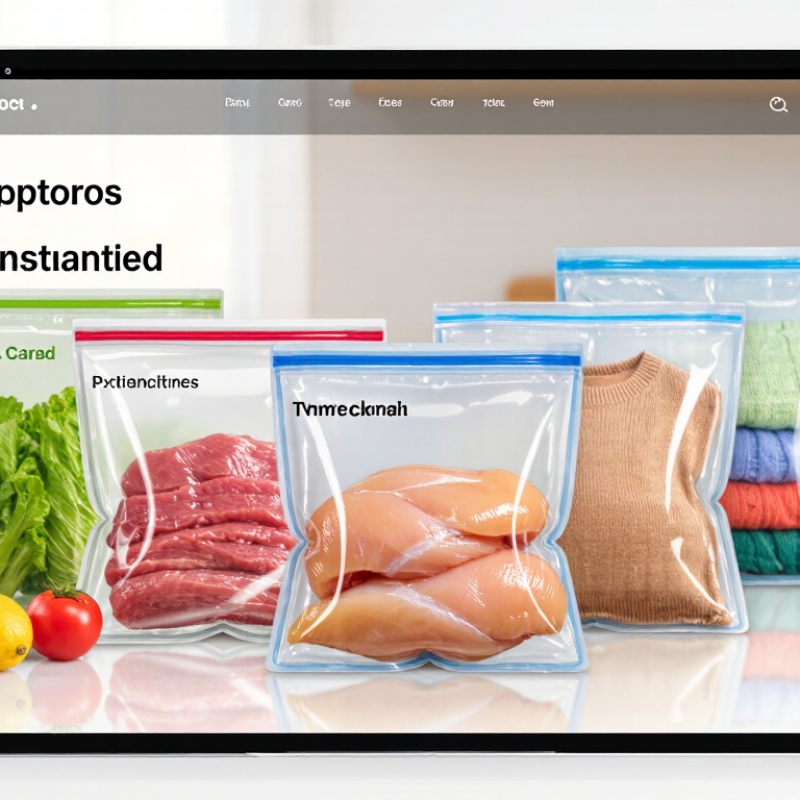
Vacuum seal bags are practical tools for storing food, clothing, bedding, and seasonal supplies. They remove much of the air around an item, creating a compact and protective package. This simple process can make a crowded freezer, kitchen drawer, or travel case easier to manage.

What are the benefits of using vacuum seal bags? This guide explores ten useful advantages, including longer food freshness, reduced freezer burn, space savings, moisture protection, and improved organization. A sealed bag of chicken may lie flat in the freezer, while winter sweaters can fit into a smaller storage box. These details matter in real homes, where storage space is rarely unlimited.

The benefits are not automatic. Bag quality, sealing technique, storage temperature, and product suitability all affect results. Vacuum sealing does not replace refrigeration or safe food-handling practices. It also cannot repair food that was already spoiled. I have found that overfilling bags often creates weak seals, although this mistake is easy to overlook. Sharp bones, damp fabrics, and poorly cleaned surfaces may cause additional problems. This article therefore considers both the strengths and limitations of vacuum seal bags. The goal is practical guidance, not exaggerated promises. Readers can compare each benefit with their own storage needs and make more reliable choices.
What Are the Top 10 Benefits of Vacuum Seal Bags?

Food Shelf Life: Extending Freshness by Up to 3–5× Through Air Removal

What Are the Top 10 Benefits of Vacuum Seal Bags?

Food Shelf Life: Extending Freshness by Up to 3–5× Through Air Removal

Vacuum seal bags remove much of the oxygen surrounding food. Less oxygen slows oxidation, moisture loss, and many spoilage processes. In practical storage tests, chilled meat, hard cheese, and prepared vegetables often stay fresh three to five times longer. The result depends on temperature, food type, and sealing quality.

Air removal also protects texture. A sealed steak is less likely to develop dry, brown freezer patches. Sliced fruit keeps a cleaner surface, while herbs lose less moisture in the refrigerator. Fewer odors escape, too. That matters when strong ingredients share a crowded fridge.

Still, the 3–5× figure is not a promise. I would question any claim that ignores hygiene and temperature control. Vacuum sealing cannot make unsafe food safe. Cool cooked food promptly, use clean bags, and refrigerate or freeze perishable items. Check for leaks. A tiny channel near the seal can admit air overnight. Soft foods may also crush under strong suction, so gentle handling helps. A small mistake can erase the benefit.

Freezer Protection: Reducing Moisture Loss and Freezer Burn During Storage

Among the ten benefits of vacuum seal bags, freezer protection is one of the most practical. Removing excess air limits contact between food surfaces and oxygen. That helps reduce moisture migration, surface ice, and the gray-brown patches linked with freezer burn. The result is simple: firmer meat, fewer dried edges, and less flavor loss after thawing.

USDA FoodKeeper guidance lists frozen ground meat at about three to four months for best quality. Steaks may retain quality for six to twelve months at 0°F or below. These periods are not guarantees. A vacuum seal can slow quality decline, but it cannot stop it completely. I once assumed a tight seal made food nearly permanent. That was wrong.

USDA FSIS explains that freezer burn affects quality, not food safety, when food remains continuously frozen. Still, prevention matters because damaged texture often leads to waste. Press the bag closely around the food, leave enough space for sealing, and freeze flat for faster cooling. Sharp bones can puncture the film, so wrap them before sealing. Check for loose seams or trapped moisture. Small mistakes matter. The National Center for Home Food Preservation also warns that vacuum packaging does not replace safe freezing practices or proper temperature control.

Space Efficiency: Compressing Packages by Up to 50% for Organized Storage

What Are the Top 10 Benefits of Vacuum Seal Bags?

Vacuum seal bags make storage more space-efficient by removing trapped air. Soft items can compress by up to 50%, depending on their material, shape, and moisture level. A thick winter jacket may fit beneath a bed instead of filling half a closet. Folded blankets also stack more neatly in drawers, storage bins, and suitcases. Measure before sealing. Overpacking reduces the compression benefit.

The U.S. Environmental Protection Agency reports that containers and packaging generated 82.2 million tons of municipal solid waste in 2018, representing 28.1% of total generation. Vacuum sealing does not solve packaging waste, but using fewer storage containers can improve household organization. Packaging industry guidance from the Packaging Machinery Manufacturers Institute also recognizes flexible formats for their efficient use of material and storage space. The practical advantage is clear: fewer empty gaps, tighter shelves, and easier inventory checks.

However, “up to 50%” should not become a careless promise. I have compressed bulky textiles too aggressively, creating stubborn creases and difficult resealing. Delicate fabrics need moderate pressure, while dry food requires clean sealing and careful inspection. Leave enough seal width for a reliable closure. Label each bag with its contents and date. Small errors matter. A bag that leaks overnight loses both protection and space efficiency.

Top 10 Benefits of Vacuum Seal Bags: Space Efficiency

Vacuum seal bags can reduce the storage volume of soft household items by approximately 25%–50% when air is removed. Clothing and bulky bedding usually offer the greatest space savings, while denser towels and cushions typically show more moderate compression. Actual results depend on fabric type, fill material, and how tightly the bag is packed.

Food Quality: Preserving Flavor, Aroma, Texture, and Nutrients More Effectively

What Are the Top 10 Benefits of Vacuum Seal Bags?

Food quality often changes quietly. Air causes oxidation, moisture loss, freezer burn, and fading aromas. Vacuum sealing removes much of that air before storage, helping food retain its original character.

In my kitchen, sliced beef keeps a deeper savory smell after several days when sealed and refrigerated. Fresh herbs also stay greener and less limp. The difference is especially noticeable with firm vegetables, marinated poultry, and roasted coffee beans. Less trapped air means fewer dry edges and less flavor transfer between foods. Sealed berries can avoid crushing when stored carefully, while cooked rice maintains a better texture after reheating. Small details matter.

Still, vacuum sealing is not magic. I once sealed warm soup, and condensation weakened the seal. Cooling food first works better. A bag also cannot remove every microorganism or make unsafe food safe. Perishable items still need prompt refrigeration or freezing, and storage times must remain reasonable. Nutrients may be better protected from oxygen and moisture, but no method preserves everything perfectly. Texture can even suffer if delicate bread or soft fruit is compressed too strongly. Choosing a gentle setting, leaving enough space at the opening, and checking for leaks improves reliability. The result is practical, not flawless: food usually tastes fresher, smells clearer, and feels closer to its freshly prepared condition.

Safety Limits: Following USDA 40°F Guidance and the Seven-Day ROP Rule

Vacuum seal bags can protect food from air, moisture, and freezer burn. They also help organize portions and reduce waste. However, less air does not mean less risk. Reduced-oxygen packaging can create conditions where dangerous bacteria grow without obvious odors or visible spoilage.

Keep refrigerated vacuum-sealed foods at 40°F or below, following USDA food-safety guidance. Use a refrigerator thermometer, because the dial setting may not show the actual temperature. Chill cooked food quickly in shallow containers before sealing it. Never leave sealed food on the counter for extended periods. Cold storage matters.

For refrigerated, ready-to-eat foods packed in reduced-oxygen conditions, the seven-day ROP rule is a critical control. In many food-safety regulations, the day of preparation or opening counts as day one. The food must be discarded after seven days when held at 41°F or below, unless a stricter local rule applies. This rule may not fit every product or process, so check your health department requirements.

Freezing changes the decision. Frozen sealed food can remain safe longer, but quality still declines. Thaw it in the refrigerator, not on the kitchen counter. I have learned that a tight seal can create false confidence. Label the package with the food name, sealing date, and discard date. When in doubt, throw it out. That feels wasteful, but guessing is worse.

FAQS

How much longer can vacuum-sealed food stay fresh?

Chilled meat, hard cheese, and prepared vegetables may last three to five times longer. Results vary with temperature, food type, and seal quality. This is not a promise.

How do vacuum seal bags reduce freezer burn?

Removing air limits moisture movement around frozen food. Meat may develop fewer dry edges and gray-brown patches. Freeze bags flat for quicker cooling. Small leaks matter.

Can vacuum sealing make unsafe food safe?

No. Vacuum sealing cannot replace clean handling, quick chilling, or proper refrigeration. Reduced oxygen can support dangerous bacteria without obvious odors.

What refrigerator temperature should I use?

Keep vacuum-sealed perishable food at 40°F or below. Use a refrigerator thermometer, because the dial may be inaccurate. Keep it cold.

How long can refrigerated ready-to-eat food remain sealed?

Many food-safety rules limit reduced-oxygen refrigerated food to seven days. Count the preparation or opening day as day one. Local requirements may be stricter.

Should cooked food cool before sealing?

Yes. Cool it promptly in shallow containers before sealing. Do not leave sealed cooked food on the counter for extended periods.

How should I prevent bags from leaking?

Leave enough space near the opening for a clean seal. Keep the sealing area dry and inspect every seam. A tiny channel can admit air overnight.

Can vacuum sealing damage soft foods?

Strong suction can crush bread, berries, or delicate vegetables. Use gentle handling and avoid excessive pressure. I once assumed tighter was always better. It was not.

How should frozen vacuum-sealed food be thawed?

Thaw it in the refrigerator, not on the counter. Label each package with its contents, sealing date, and discard date. When uncertain, discard it.

Conclusion

What are the benefits of using vacuum seal bags? They can help extend the freshness of many foods by removing air that contributes to oxidation and spoilage, potentially keeping food fresh three to five times longer than traditional storage methods when handled properly. Vacuum sealing also protects food in the freezer by reducing moisture loss, limiting freezer burn, and helping preserve flavor, aroma, texture, and nutrients. In addition, compressed packages can use up to 50% less space, making refrigerators, freezers, and storage areas more organized and efficient.

However, vacuum sealing does not replace safe food-handling practices. Perishable foods should be kept at or below 40°F, and refrigerated vacuum-packed foods require careful time control. Under the seven-day reduced-oxygen packaging guideline, food should generally be used within seven days unless it is frozen or preserved through another approved method. When combined with proper refrigeration, freezing, labeling, and handling, vacuum seal bags offer a practical way to improve food quality, reduce waste, and simplify storage.

Madeline

Madeline

Madeline is a dedicated marketing professional with a wealth of expertise in our company's core offerings. With a keen understanding of the industry, she brings a unique perspective to her role, consistently delivering high-quality content that highlights the superior aspects of our products. As......